Electric Vehicles
Nepal's EV Revolution: Why Electric Cars Make More Sense Here Than Anywhere Else
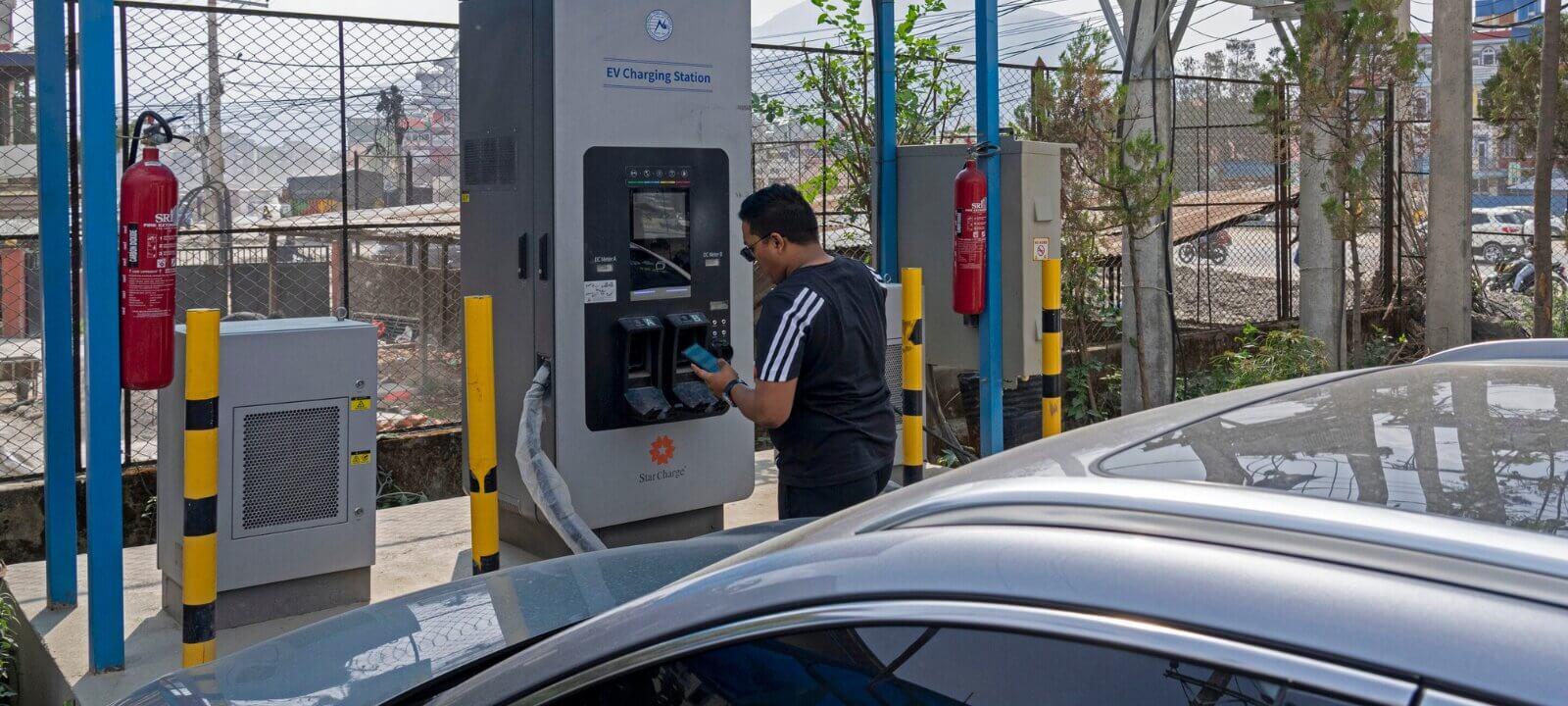
Nepal is the second-fastest EV-adopting country in the world - and it's not a coincidence. It's the result of geography, economics, and smart policy all pointing in the same direction.
If you've been wondering why everyone around you seems to be talking about (or buying) an electric vehicle, this article breaks it all down - clearly, simply, and with real numbers.
Nepal's EV Story in a Nutshell
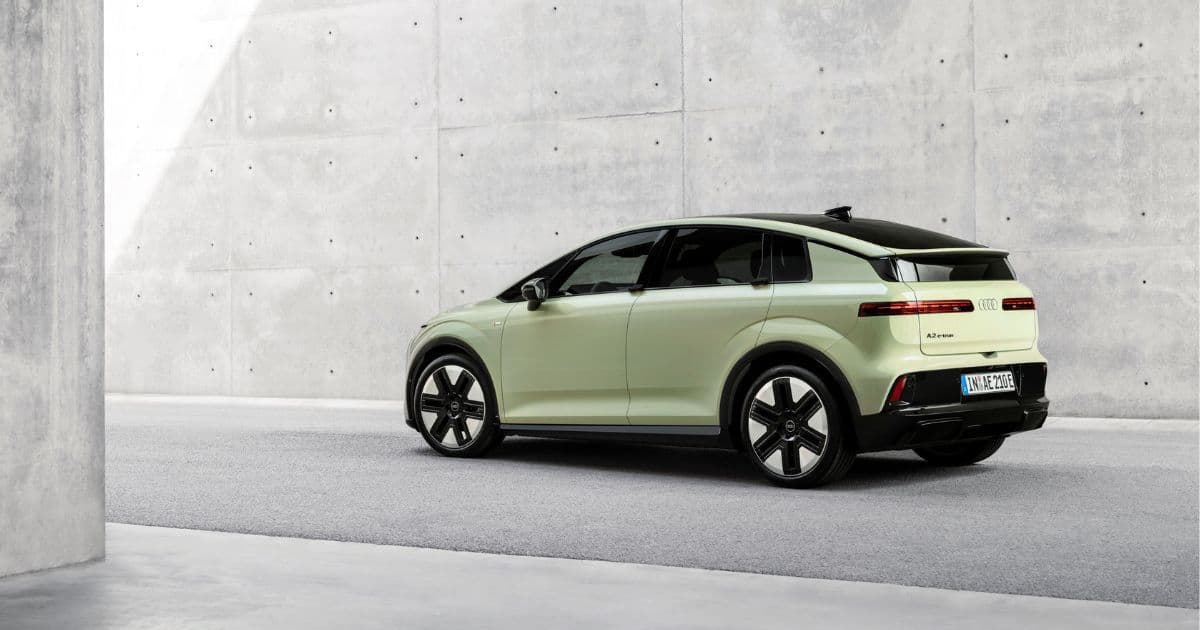
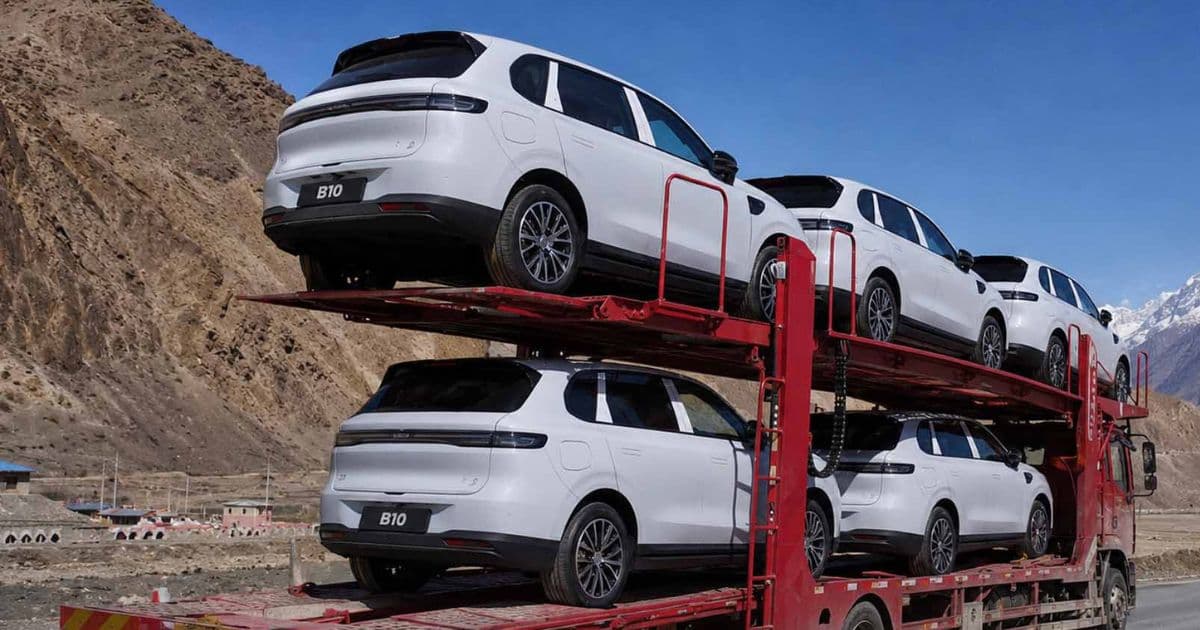
Just five years ago, electric vehicles were a rare sight on Nepal's roads. In FY 2020/21, only around 250 electric four-wheelers were imported. Fast forward to FY 2023/24, and that number jumped to over 13,000 units - a staggering increase in less than four years.
Today, 73% of all new cars sold in Nepal are electric, making Nepal the #2 country in the world for EV market share, behind only Norway (97%). Nepal has surpassed Denmark, Sweden, Iceland, and is far ahead of Germany, the UK, and the United States.
This didn't happen by accident. Here's why EVs matter so deeply for Nepal specifically.
1. Nepal Produces Abundant Clean Electricity, but Imports All Its Fuel
This is the single most important reason EVs make sense for Nepal.
Nepal has massive hydropower potential, sitting in the lap of the Himalayas, which generates electricity from rushing rivers and melting glaciers. In recent years, Nepal has actually become a net exporter of electricity, selling surplus power to India.
Yet, paradoxically, Nepal imports every single drop of petrol and diesel it uses - entirely from India.
In FY 2023/24 alone, Nepal spent approximately Rs 300 billion (around $2.2 billion USD) on petroleum imports. That's money leaving the country every year to pay for fuel Nepal doesn't produce, can't control, and is at the mercy of global oil prices for.
Electric vehicles flip this equation. Instead of burning imported fuel, EVs run on domestically produced hydroelectricity. Every EV on the road is a vehicle that no longer drains the country's foreign currency reserves.
In plain terms: Charging your EV in Nepal keeps your money in Nepal. Filling up a petrol tank sends your money to India.
2. Kathmandu's Air Pollution Is a Public Health Emergency
Kathmandu Valley sits in a bowl-shaped terrain surrounded by hills. This geography traps air - and the pollution in it.
Fine particle pollution (PM2.5) in Kathmandu is frequently measured at 10 to 20 times higher than the WHO safety guidelines. The valley regularly ranks among the most polluted cities in South Asia.
The primary culprits? Vehicles with internal combustion engines (ICEs) that burn petrol and diesel. Every bus, car, and microbus emitting black exhaust is contributing to a slow-moving public health crisis: respiratory illness, heart disease, and premature deaths.
Electric vehicles produce zero direct emissions: no exhaust pipe, no particulate matter, no CO2 at the point of use. As more EVs replace petrol and diesel vehicles, Kathmandu's air quality directly improves.
EVs are also significantly quieter. A city where the dominant sound shifts from constant engine noise to the hum of electric motors is a healthier, calmer place to live.
3. EVs Are Dramatically Cheaper to Own in Nepal
Here's the part that makes many Nepali buyers do a double-take.
Import Duties: Night and Day
Nepal's customs regime heavily favors electric vehicles over petrol/diesel ones:
Vehicle Type | Total Import Taxes |
|---|---|
Petrol/Diesel Car | Up to 238% of the vehicle value |
Electric Vehicle | Starting from just 10% of the vehicle value |
This single policy difference is why an EV that would cost far more abroad is often competitively priced or cheaper than a comparable petrol car in Nepal.
Running Costs: ~10x Cheaper
The cost difference doesn't stop at purchase. Running an EV in Nepal costs roughly one-tenth the price of running a petrol vehicle. The NEA charges between NPR 6-11 per kWh for public EV charging - extremely affordable compared to petrol at NPR 219/litre.
For anyone who drives regularly, commuters, taxi operators, and delivery services, an EV pays for itself faster in Nepal than almost anywhere else in the world.
Financing Support
Commercial banks in Nepal have actively offered EV-specific auto loan products. While loan-to-value ratios have fluctuated with central bank directives, EV financing has been a stated priority.
4. Reducing Dependence on India and Global Oil Markets
Nepal's entire petroleum supply comes through a single pipeline from India and by road transport. This creates an extreme vulnerability.
Any disruption, like a blockade, a price shock, or a geopolitical event, can bring Nepal's transport system to a halt. Nepal experienced this painfully during the 2015-16 blockade when fuel shortages paralyzed the country.
Recent events have reinforced this risk. In early 2026, escalating tensions in West Asia disrupted oil exports through the Strait of Hormuz, and EV dealers in Nepal immediately reported a surge in demand as buyers moved to secure energy independence.
Electric vehicles running on domestic hydropower are immune to this vulnerability. They represent genuine energy sovereignty; something no petrol or diesel vehicle can offer.
5. Meeting Nepal's Climate Commitments
Nepal is a signatory to the Paris Agreement on climate change and has formally submitted its Nationally Determined Contributions (NDC). The country's targets are ambitious:
25% of private four-wheelers and 20% of public four-wheelers to be electric by 2025
90% of private four-wheelers and 60% of public four-wheelers to be electric by 2030
Nepal is already on track to exceed the 2025 target. With EVs already at 73% of new car sales, the 2030 goal of 90% private EV share is increasingly within reach.
These aren't just numbers on paper. Nepal is a country acutely vulnerable to climate change. Glaciers are melting, monsoon patterns are shifting, and communities in mountain regions face flooding and landslides. Reducing transport emissions is a direct contribution to the global effort Nepal depends on.
6. Eliminating Load Shedding Was the Hidden Enabler
A critical factor many overlook: Nepal solved its load-shedding crisis in 2018.
For years, Kathmandu experienced 12-16 hours of electricity cuts per day. In that environment, EVs made no practical sense; you couldn't reliably charge them.
Since 2018, Nepal has had 24/7 reliable electricity in most urban areas. 97.7% of Nepal's population now has access to electricity. This infrastructure foundation made mass EV adoption genuinely possible and has been a silent but essential driver of the boom.
7. Public Transport Electrification: The Bigger Picture
The EV revolution isn't just about private cars. Public transport electrification is well underway:
Bagmati Province has mandated that all new taxis must be electric from 2024 onward
Sajha Yatayat operates electric buses throughout Kathmandu
Electric minibuses now serve mountain communities
Pilot electric bus routes operate in Kathmandu, Lalitpur, Pokhara, and Nepalgunj
Charging infrastructure has grown from fewer than 50 stations in 2020 to approximately 1,200-1,500 stations nationwide by mid-2025
When public transport goes electric, the air quality and cost benefits multiply across an entire city's population, not just individual car owners.
8. Economic Benefits Beyond Individual Buyers
The shift to EVs creates ripple effects across Nepal's economy:
Foreign exchange savings: As petroleum imports decline, the current account deficit shrinks. Nepal imported petroleum worth Rs 274 billion in FY 2024/25. Even a 20% reduction from EV displacement represents tens of billions of rupees staying in Nepal.
New business ecosystems: EV charging networks, maintenance shops, battery services, and dealerships are creating entirely new industries and jobs.
Government revenue diversification: While petroleum taxes have historically been a significant revenue source (Rs 120+ billion annually), a long-term shift to EVs lets the government develop alternative, more sustainable revenue streams.
The Challenges Nepal Still Needs to Solve
Honesty matters. EVs are the right direction for Nepal, but several challenges remain:
Charging outside cities: Most charging infrastructure is concentrated in urban centers. Rural and highway charging is still sparse, limiting long-distance travel confidence.
High upfront costs: Despite lower taxes, EVs still carry a higher sticker price than equivalent ICE vehicles in some segments. The total cost of ownership favors EVs, but the upfront cost can be a barrier.
Battery replacement costs: Battery degradation is a long-term concern. Nepal's battery recycling ecosystem is still underdeveloped.
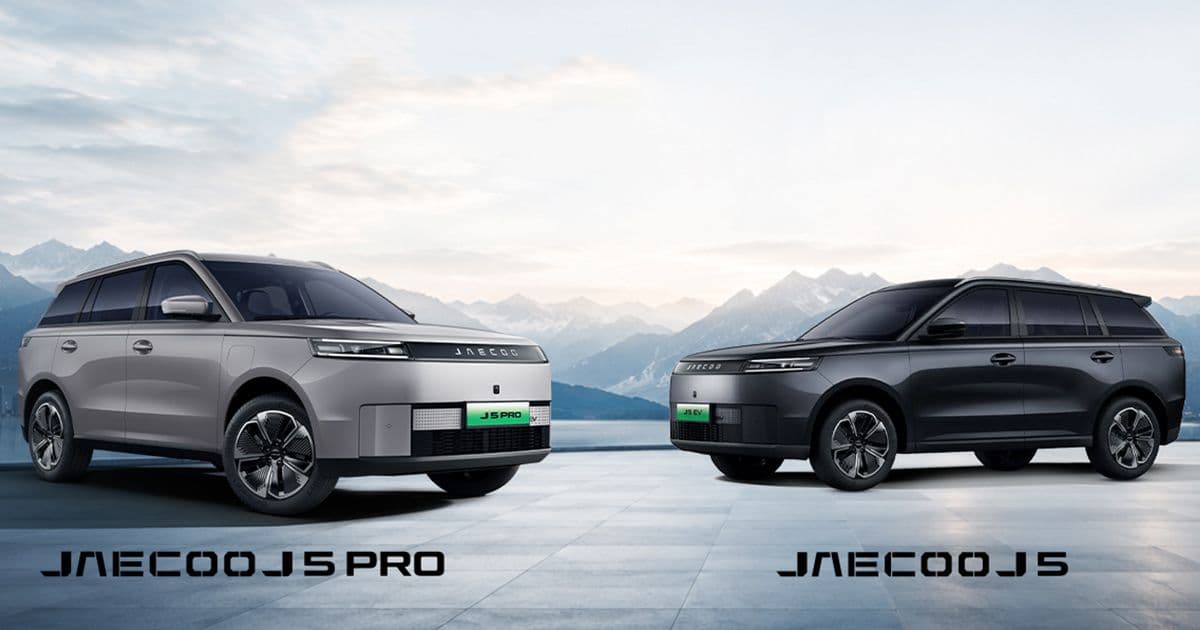
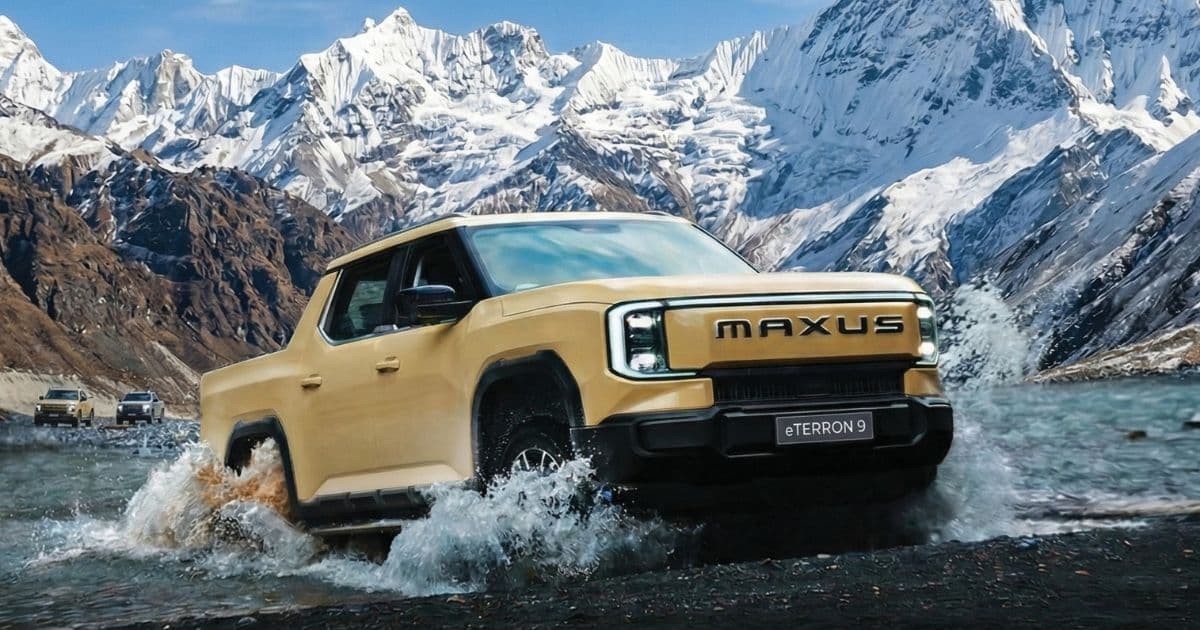
After-sales service: As newer Chinese brands dominate (accounting for 76% of EV imports in FY 2023/24), the depth of after-sales service networks varies by brand.
Grid seasonality: Nepal's hydropower output varies with the monsoon. Managing charging demand against seasonal electricity supply is a grid-planning challenge.
The Bottom Line
Nepal is not adopting EVs because of a global trend it's following. It's doing so because the structural conditions of Nepal's energy profile, its import dependence, its air quality crisis, and its terrain make EVs uniquely beneficial here.
The numbers speak clearly: from 250 EV imports in FY 2020/21 to over 10,000 EVs outpacing ICE vehicles in just the first nine months of FY 2024/25. From 8% EV share in 2019 to 73% in 2025. From no charging infrastructure to 1,200+ stations nationwide.
Nepal's EV adoption is not a trend. It is a structural shift driven by economics, environment, and energy policy, all aligned. And it's just getting started.