News
Audi A2 e-tron Revealed With Up to 645 km Range and 240 kW Output
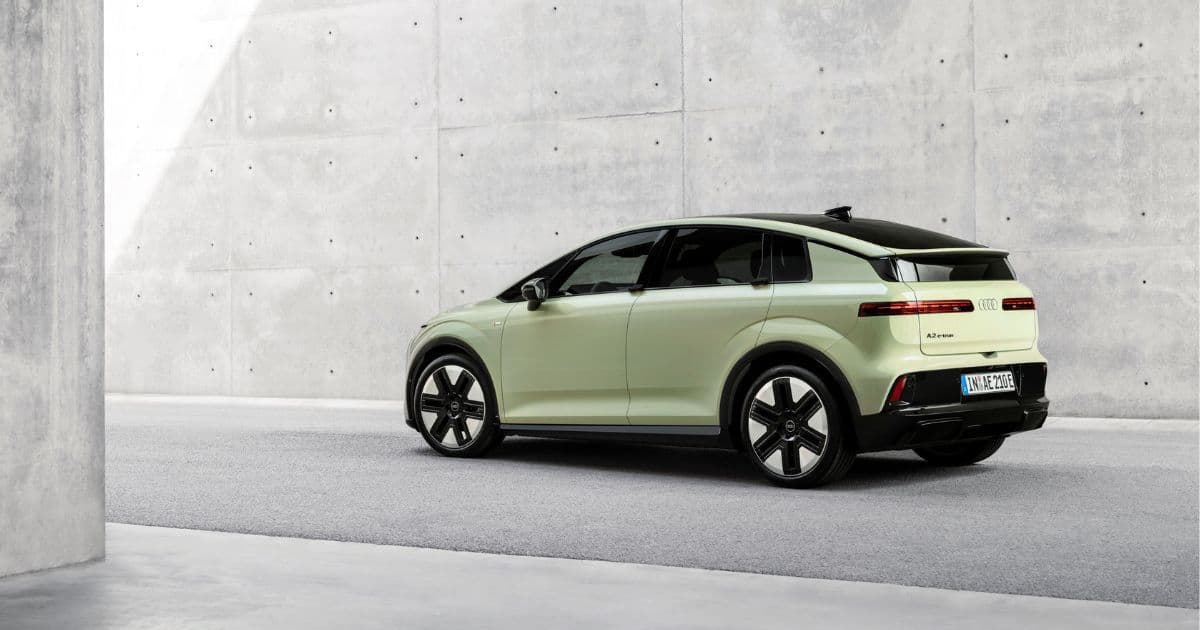
Audi has pulled the covers off the A2 e-tron, a compact electric hatchback that revives a nameplate the German brand retired in 2005 and, in the process, becomes the most efficient production model the company has ever built. Unveiled on Monday, 7 September 2026, the car is positioned as Audi's new entry point into electric motoring, and it leans heavily on the engineering-led reputation of the original A2, an aluminium-bodied oddity that was ahead of its time and only properly appreciated long after it went out of production.
The link between old and new is efficiency. Audi says the A2 e-tron records a drag coefficient of 0.24, the best figure in its compact lineup and a match for the far sleeker-looking e-tron GT. That number comes from a largely enclosed underbody, an active cooling intake, wheel-arch gap reducers and aerodynamic wheels, all wrapped around a body with a 2.77-metre wheelbase, short overhangs and a gently sloping roofline. The result is a claimed energy consumption as low as 12.8 kWh per 100 km and up to 645 km of WLTP range from the most efficient variants, enough to push a compact hatchback past a barrier that far larger and more expensive EVs still struggle with.
Batteries, Power and Charging
Three battery sizes are offered globally: 52 kWh, 61 kWh and 84 kWh gross, with the two smaller packs using lithium iron phosphate chemistry and the largest switching to nickel manganese cobalt. Four power outputs span 125 kW to 240 kW, and every version is rear-wheel drive. The range-topping model produces 240 kW and 545 Nm, covering 0 to 100 km/h in 5.7 seconds, though Audi has notably declined to give it any performance sub-branding. It is simply the e-tron 326 PS. The sweet spot for efficiency sits lower down the range, while maximum range comes from the mid-tier output paired with the 84 kWh pack.
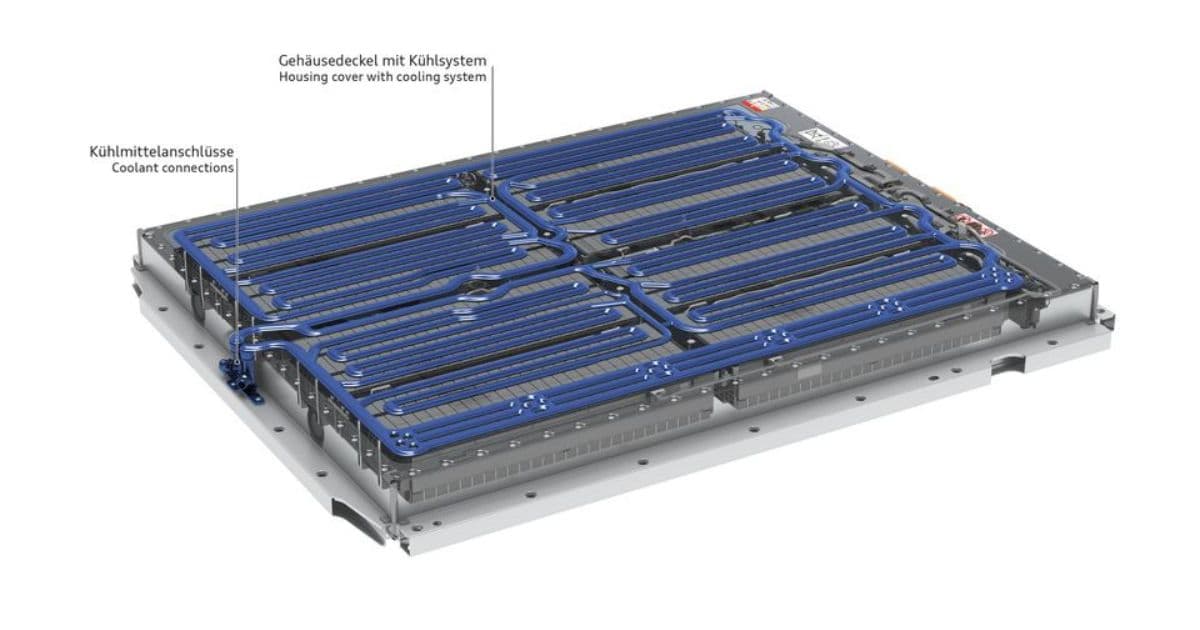
Charging speeds scale with battery size. The 52 kWh pack accepts up to 100 kW on DC, the 61 kWh unit up to 105 kW, and the 84 kWh version peaks at 183 kW. Audi quotes 10 to 80 per cent replenishment in between 24 and 29 minutes depending on the pack. Bidirectional charging is part of the package too, with vehicle-to-load capability for powering external devices and vehicle-to-home functionality that turns the car into a domestic energy store in selected European markets.
Cabin, Practicality and Materials
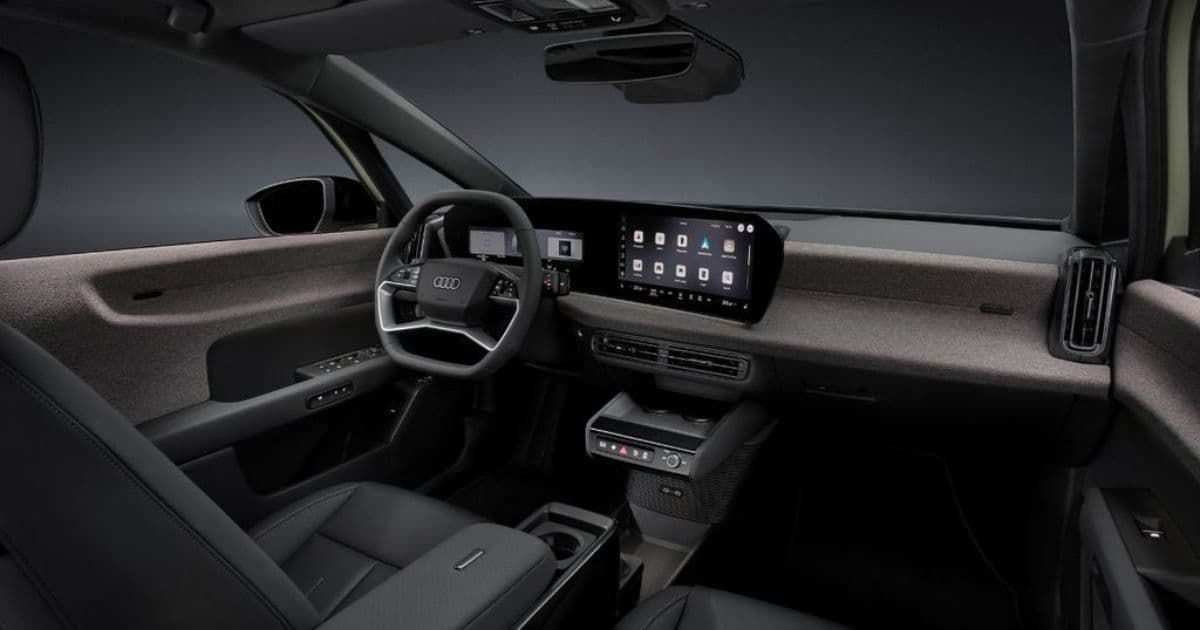
Inside, Audi has aimed for space and calm rather than sportiness. An 11.9-inch digital instrument cluster and a 12.8-inch curved touchscreen form what the brand calls its MMI panoramic display, and standard equipment includes an AI-integrated Audi assistant, an e-tron route planner, adaptive cruise control, a reversing camera, side assist with exit warning, and rear cross-traffic assist. More advanced systems such as active lane guidance, surround-view cameras, park assist plus, and trained parking sit on the options list.
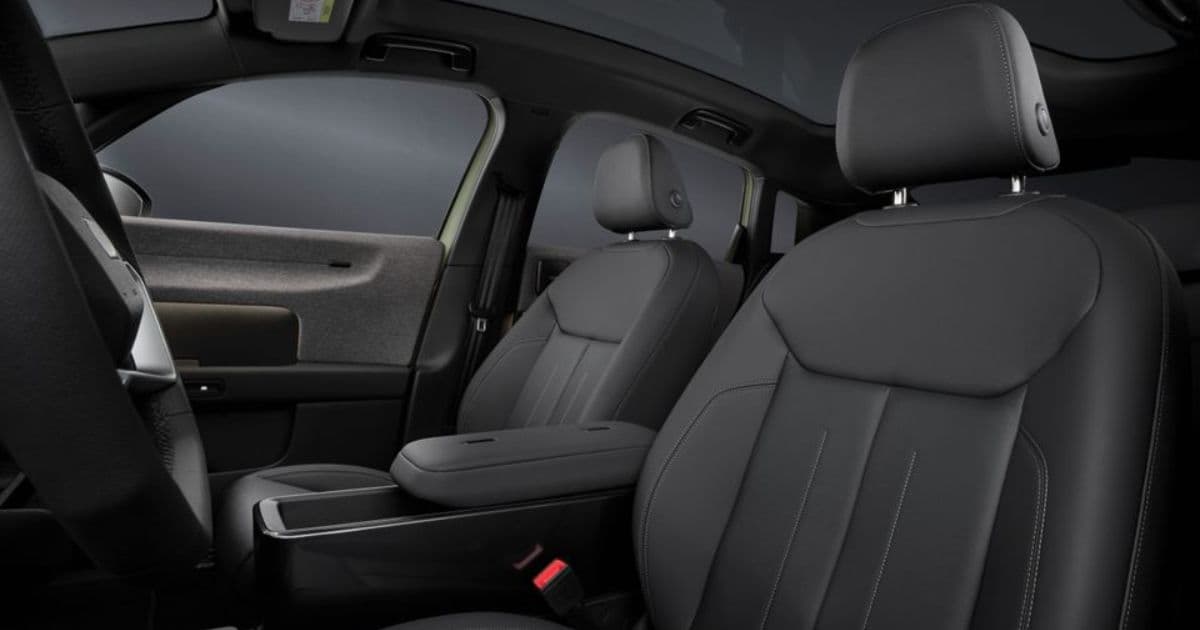
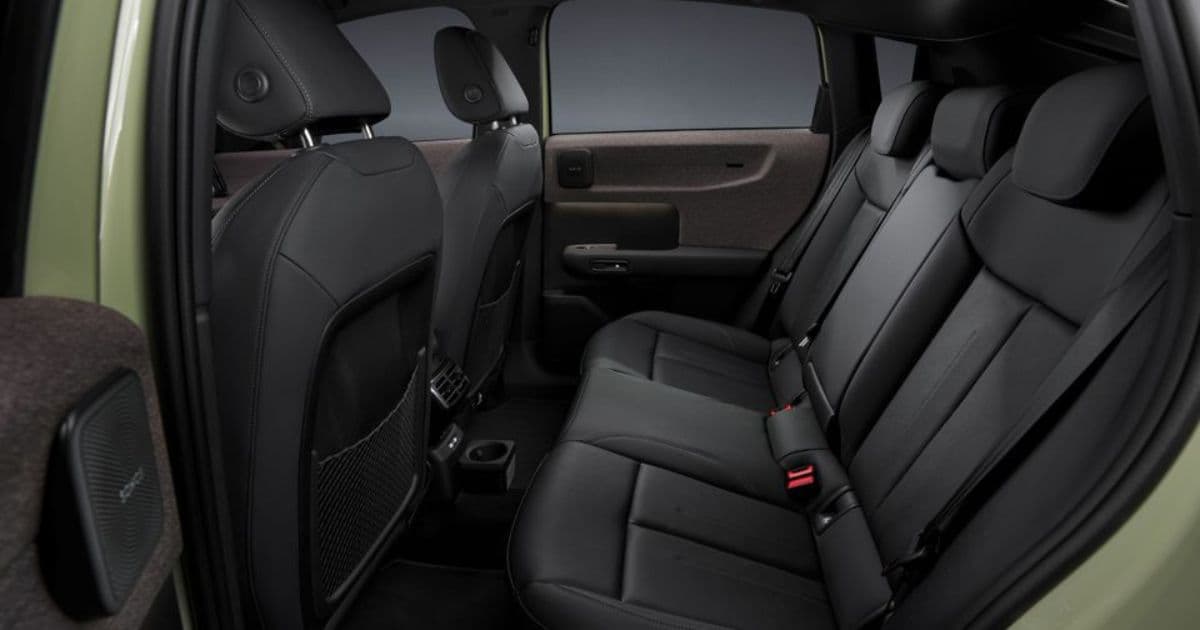
The A2 e-tron also introduces the Fidlock magnetic fastening system as standard, a modular arrangement that lets accessories such as cupholders and cable bags be clicked in and out of place in the cabin and boot. Luggage space is a healthy 396 litres, rising to 1,336 litres with the rear seats down, and higher-output versions add a 13-litre frunk. Sustainability runs through the build as well, with more than 300 components containing recycled steel, aluminium or plastics, over 100 of those incorporating post-consumer recycled material, and some parts reprocessed from end-of-life vehicles. Production takes place at Audi's Ingolstadt plant in Germany, alongside the combustion-engined A3.
Audi CEO Gernot Döllner framed the car as a deliberate lowering of the barrier to entry, saying customers want electric mobility that works in everyday life and that the A2 e-tron is meant to be efficient, compact and thoroughly considered. British pricing starts at £32,200, with sales opening next month and deliveries expected in early 2027, while markets such as New Zealand are already taking expressions of interest ahead of arrivals around the middle of that year.
What makes the A2 e-tron significant is where the effort has gone. Rather than chasing range with a bigger and heavier battery, Audi has spent its engineering budget on aerodynamics, chemistry choices and packaging, which is precisely the approach that made the original A2 a cult car two decades after everyone stopped paying attention to it. Reviving the badge was always going to invite comparison, and on paper at least, the new car has earned the right to carry it.