News
New Traffic Fines in Nepal 2026: Full List of Proposed Rates
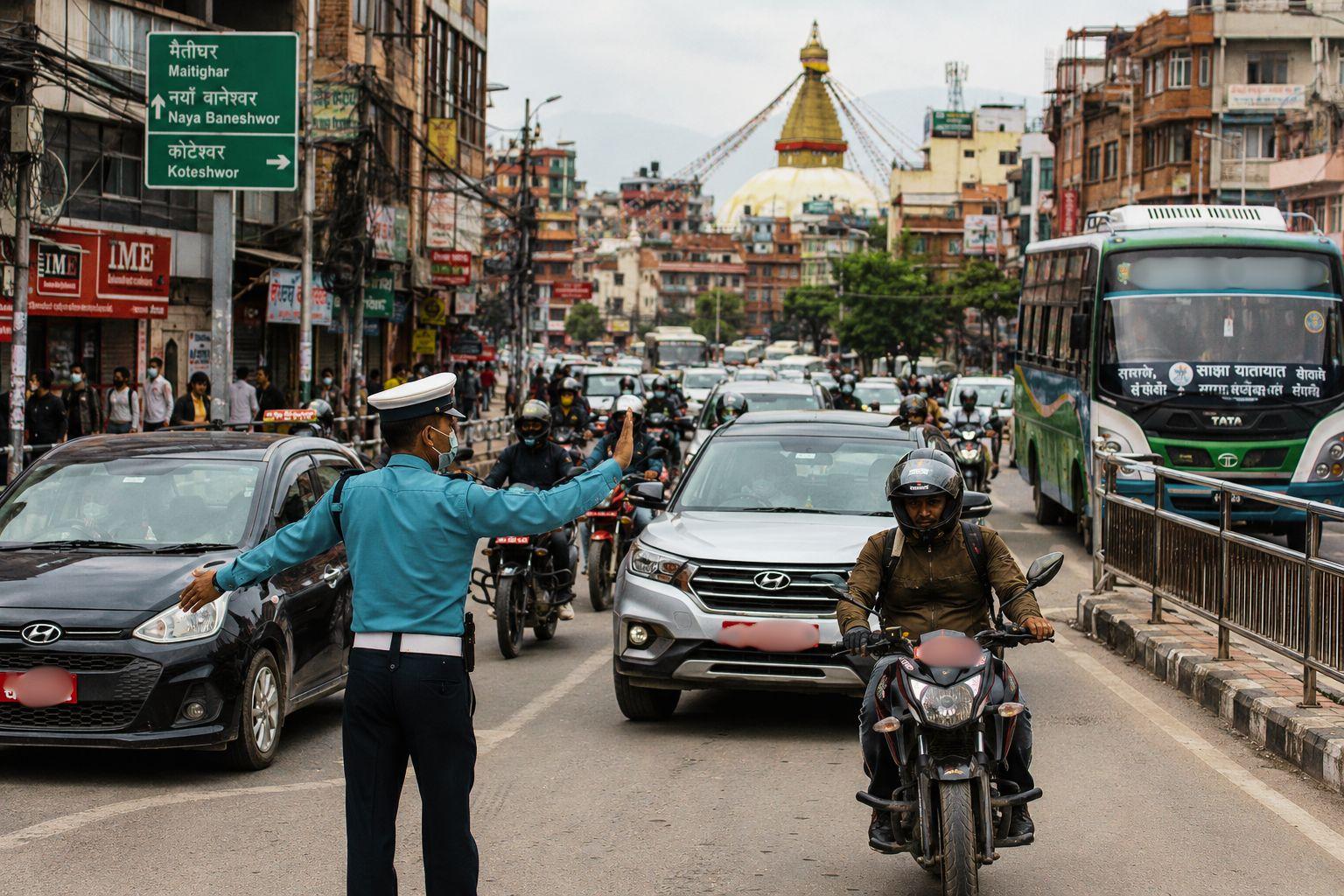
Nepal's roads may soon come with a much steeper price tag for breaking the rules. The government has drafted sweeping new traffic legislation (the Vehicles and Transport Management Bill, 2025) that proposes fines ranging from as little as Rs 500 to as much as Rs 100,000, depending on the offense. If passed, it would replace the country's existing traffic penalty framework entirely.
Here's a breakdown of what's being proposed, why it's controversial, and where the bill stands in the legislative process.
Who's Behind the Bill
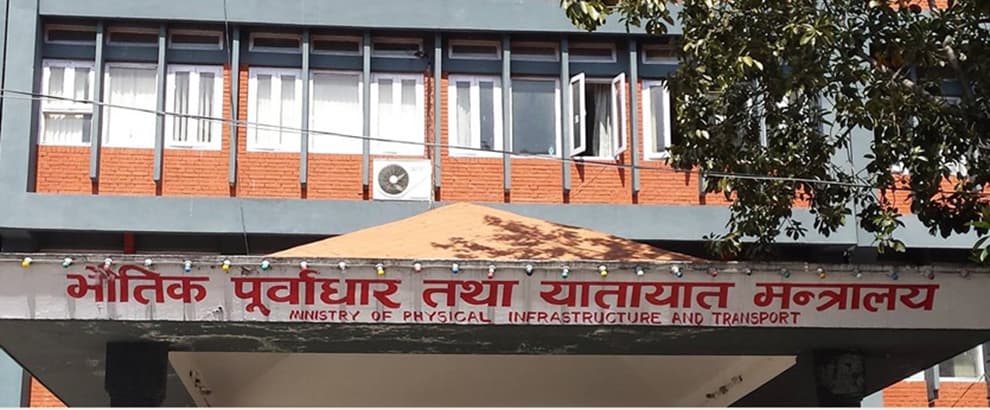
The draft has been prepared by the Ministry of Infrastructure Development, and forwarded with fresh amendments to the Ministry of Law, Justice and Parliamentary Affairs for legal consultation. While the initial draft was prepared under the previous administration, current Infrastructure Development Minister Sunil Lamsal and his team have since revised several provisions before sending it for legal review.
Krishna Raj Pantha, chief of the Infrastructure Construction and Transport Division under the Ministry, has confirmed that the draft is meant to replace existing traffic laws entirely and create a more structured penalty regime.
What Fines Are Being Proposed
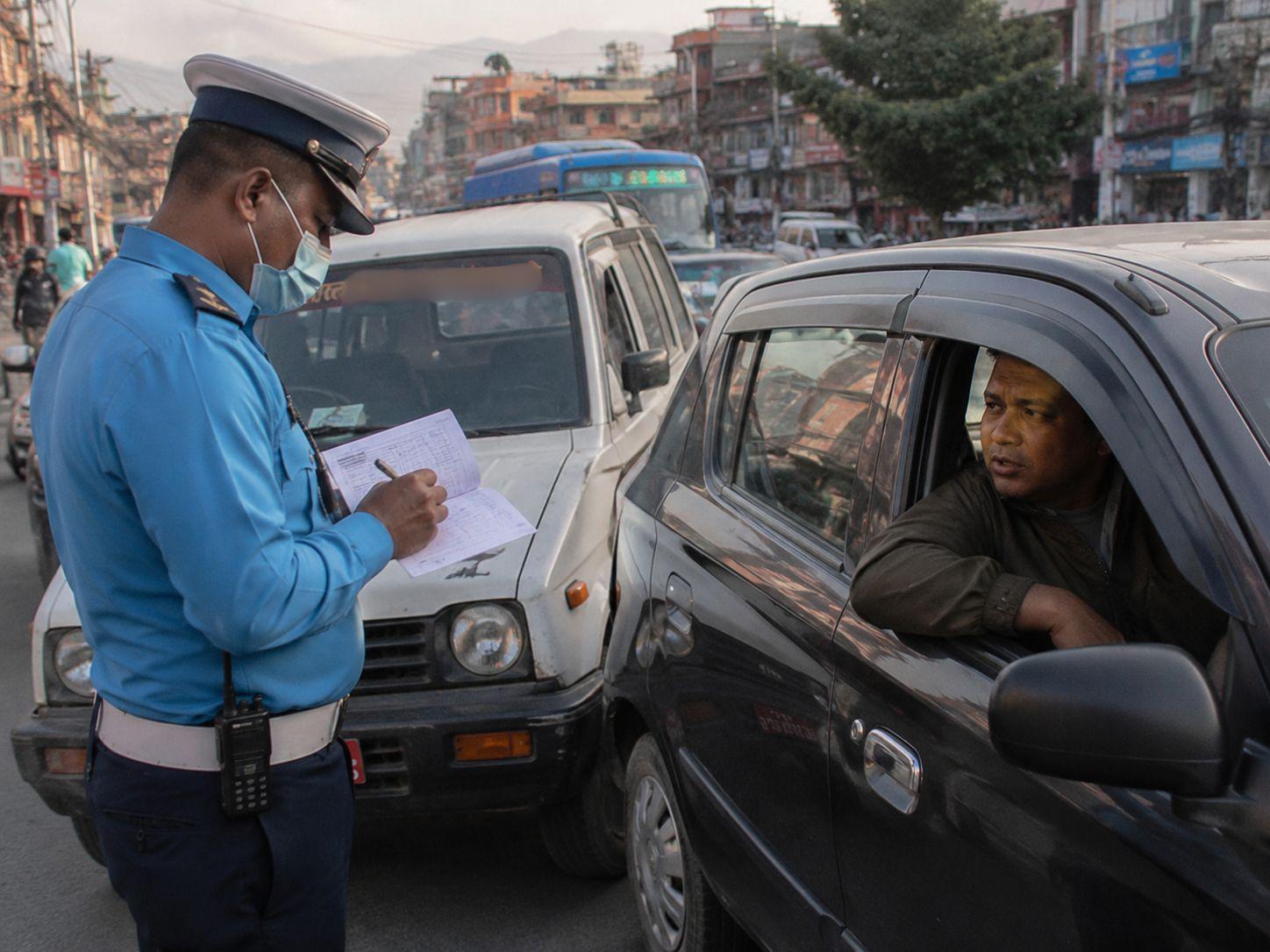
The numbers represent a dramatic jump from current penalties. Some of the key proposed changes include:
Tinted/dark windows beyond permitted limits: up to Rs 100,000 (a rule that has drawn particular attention)
Drunk driving or speeding: between Rs 25,000 and Rs 50,000, up sharply from today's Rs 500–1,500 range
Running a red light: between Rs 3,000 and Rs 5,000
Jaywalking / crossing outside a zebra crossing: a flat Rs 500 fine for pedestrians
Foreign vehicles operating without proper permits: up to Rs 25,000, up from the current Rs 5,000
Lane violations, wrong-way driving, or phone use while driving: a flat Rs 10,000, replacing the existing Rs 500–1,500 penalty
Driving without a license or misusing a vehicle's registered purpose: Rs 5,000 to 25,000, compared to today's maximum of Rs 2,000
Public transport operators aren't spared either. Buses and vans exceeding their seating capacity would face fines of Rs 20,000, Rs 10,000, or Rs 5,000 depending on whether they operate long, medium, or short-haul routes, while vehicles without a visible fare chart or those overcharging passengers would be fined between Rs 2,000 and Rs 10,000.
The bill would also change who can issue fines. Under Clause 62, transport inspectors and traffic police personnel holding the rank of Assistant Sub-Inspector or above would be empowered to issue immediate, on-the-spot fines to drivers and vehicle operators found violating the law.
Why the Proposal Is Controversial
The bill has triggered pushback from transport experts, former officials, and lawmakers alike, not necessarily over the goal of improving road safety, but over whether the country's infrastructure and economy can support such steep penalties.
Former secretary Devendra Karki argues the fines are disconnected from ground realities, pointing out that most Nepalis earn between Rs 25,000 and Rs 30,000 a month, so a Rs 50,000 fine would be financially devastating for an average household. He believes laws need to be livable, not punitive to an unrealistic degree, and singles out drunk-driving and overloaded cargo penalties as the only parts of the draft that make practical sense to him.
Lawmaker Gyan Bahadur Shahi has raised a fairness question in Parliament: if citizens face fines up to Rs 100,000, should the state itself be penalized for unattended potholes, broken traffic lights, or delays in issuing driving licenses? He has suggested reciprocal penalties, arguing that lawmakers would only support a bill that holds citizens and government agencies equally accountable.
Former Deputy Inspector General Keshab Adhikari has warned that steep fines without infrastructure upgrades could backfire on the ground. He notes that even at today's much lower fine levels, drivers already argue with officers or try to flee checkpoints, and if penalties skyrocket, some reckless drivers might attempt illegal U-turns upon spotting police, risking head-on collisions with oncoming traffic.
There's also a broader critique circulating on social media: that Nepal is importing a penalty structure built for wealthier economies. Critics point out that many Nepalis ride second-hand motorcycles worth Rs 30,000 to 50,000, often bought on credit, and argue that fines should be calibrated to road quality, public infrastructure, and enforcement capacity, not simply copied from developed nations.
Not everyone is opposed outright, though. Officials and some safety advocates note that Nepal's road fatality numbers are genuinely alarming: the WHO puts the country's road fatality rate at roughly 28 per 100,000 people annually, among the highest in the world. They argue that enforcement reform does have a role to play, provided it's paired with public awareness campaigns and better road engineering, not fines alone.
Where the Bill Stands Now
As of early July 2026, the bill is still in the legal review stage. After the Ministry of Law completes its review, the bill will move to the Cabinet, and must then be registered in both the House of Representatives and the National Assembly before being passed and authenticated by the President to take legal effect. Given the scale of criticism it's already attracting, most observers expect the draft to undergo significant revisions before it reaches Parliament in its final form — meaning the numbers above should be treated as proposed, not final.
What This Means for You (For Now)
Until the bill is passed, Nepal's current traffic fine structure remains in effect. Under the existing Motor Vehicles and Transport Management Act, penalties are considerably lower — for example, drunk driving currently carries a fine of roughly Rs 500 to 1,500, and most lane or phone-use violations sit in the Rs 500–1,500 range.
That said, given how much national attention this bill has drawn, it's worth staying alert. If it passes even in a scaled-back form, the cost of common violations — speeding, phone use, tinted windows, driving without a license — could rise substantially. We'll continue tracking the bill's progress and update this post as it moves through Parliament.