News
5 Provisions Made in the Nepal Budget to Improve the Customs Process
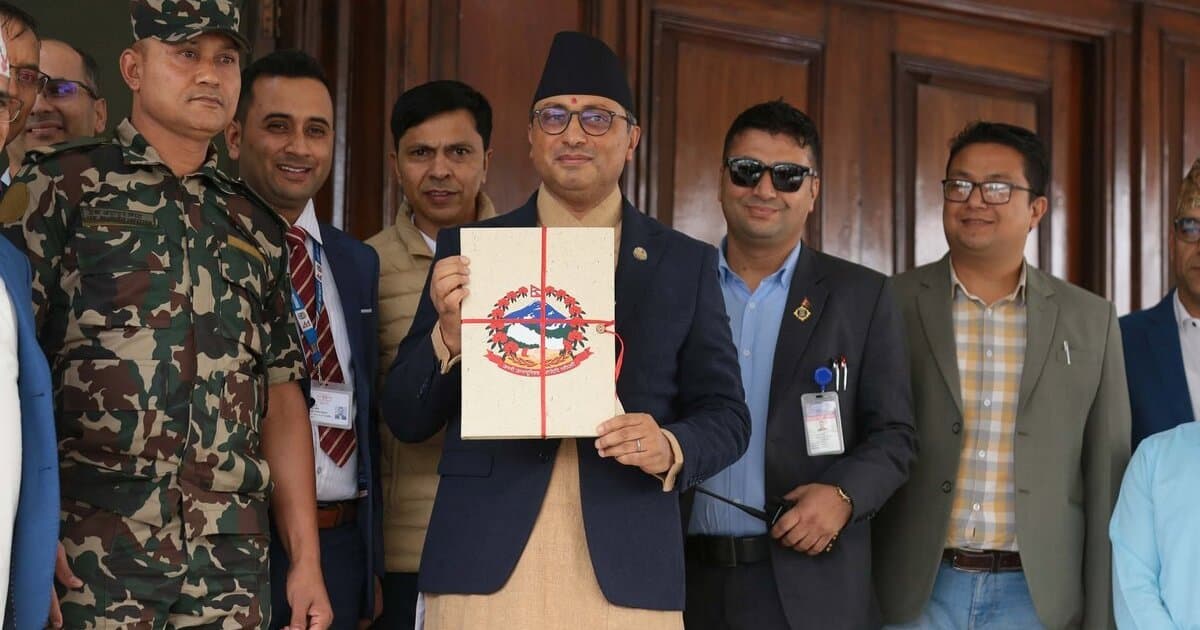
Nepal's Finance Minister Dr. Swarnim Wagle presented the national budget for Fiscal Year 2026-27 (2083-84) on May 29, 2026, Nepal's Republic Day, at a joint session of the Federal Parliament in Kathmandu. The Nepal budget totals Rs. 2.124 trillion, the largest in Nepal's history.
Among many reforms, the Nepal budget includes 5 specific provisions to improve the customs process, the system through which taxes are calculated and collected when vehicles and goods enter Nepal from abroad. Here is each one explained clearly.
Provision 1: Nepal EV Tax Now Based on Vehicle Price, Not Motor Power
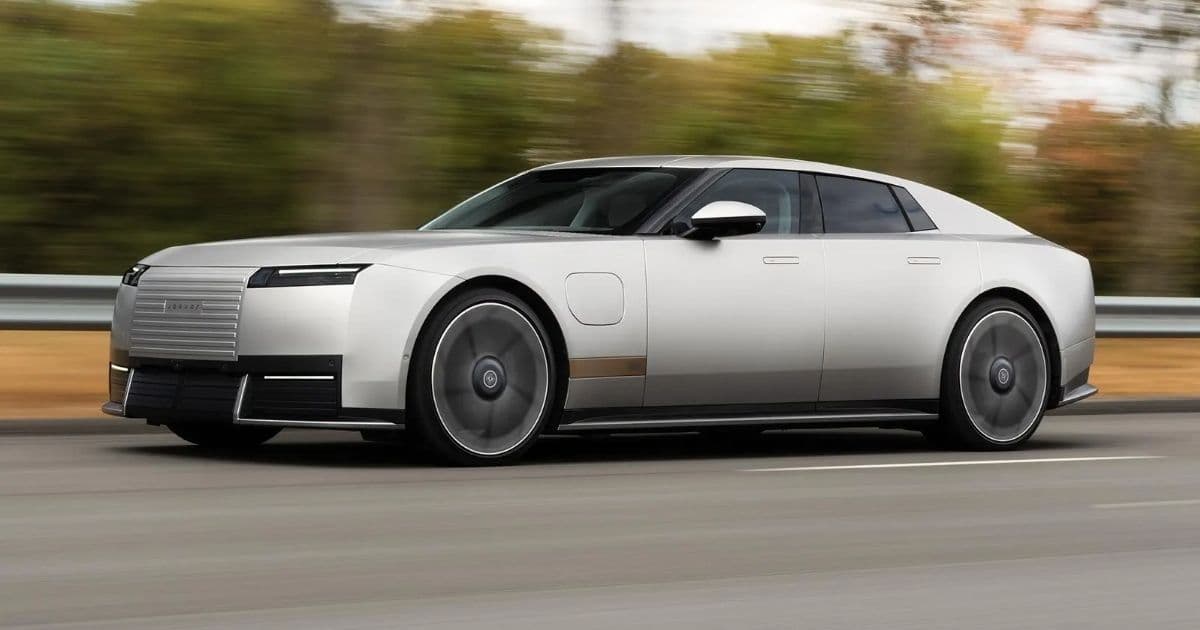
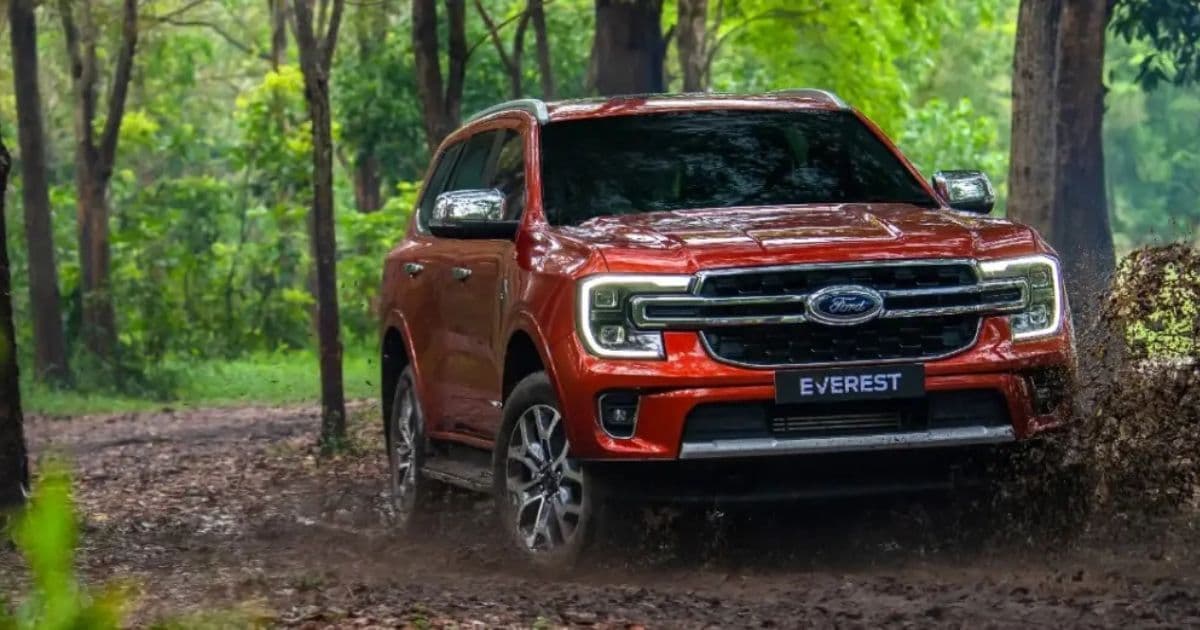
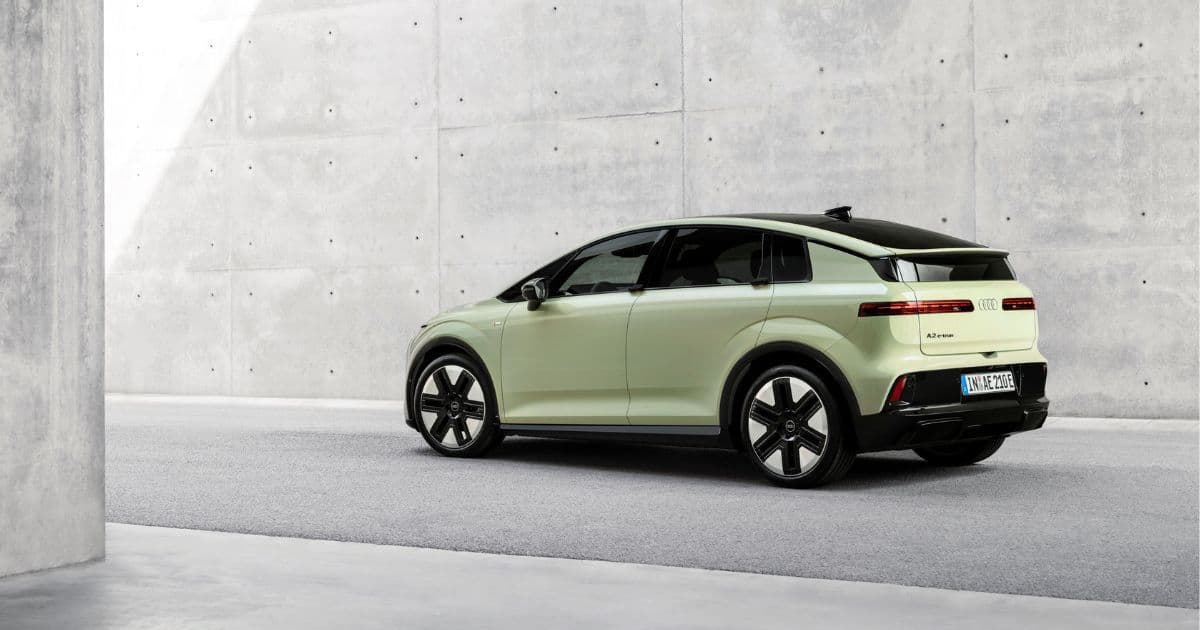
Nepal previously taxed electric vehicles based on their motor's power output (kilowatts/kW). This caused a major injustice: some expensive luxury EVs with lower-kW motors paid less tax than cheaper everyday EVs in Nepal.
The new Nepal budget fixes this by switching to a value-based (ad valorem) system. The EV import tax in Nepal is now calculated based on the vehicle's actual price. Expensive EVs pay more. Affordable EVs pay less.
Why it matters: The Nepal EV tax is now fair and logical; what you pay reflects what the car is actually worth.
Provision 2: Multiple Nepal Customs Charges Merged into One "Green Tax"
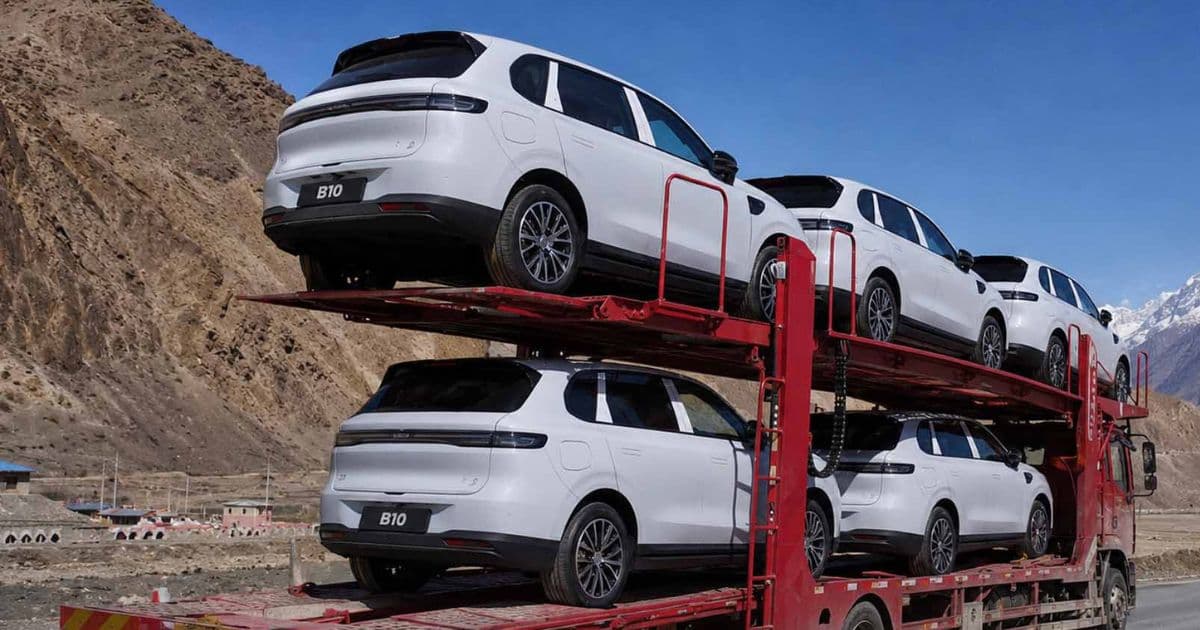
Importers in Nepal previously paid several separate charges at the customs point, including an Infrastructure Development Tax and a Road Maintenance Fee, on top of regular customs duty. This made paperwork complicated and costs hard to calculate.
The new Nepal budget combines all these charges into one single fee called the Green Tax (Harit Shulka). One payment. One calculation. Done.
Why it matters: Less paperwork, faster processing, and a clearer total cost for anyone importing a vehicle into Nepal.
Provision 3: Nepal Budget Introduces New "Clean Infrastructure Investment Fee" at Customs
A new charge called the Clean Infrastructure Investment Fee will be collected at Nepal customs when EVs are imported. Unlike a regular tax, this money is ring-fenced; it can only be used for specific EV-related purposes inside Nepal.
The funds will go directly towards:
Building and expanding EV charging stations across Nepal
Supporting domestic EV assembly plants in Nepal
Managing EV battery recycling in Nepal
A dedicated fund will be created specifically for this purpose.
Why it matters: Money collected from EV imports into Nepal is reinvested back into Nepal's EV ecosystem, not into the general budget.
Provision 4: Nepal Customs Duty Tiers Reduced from 11 to 7
Nepal's customs duty system had 11 different tax slabs ranging from 0% to 80%. This was confusing for importers, businesses, and Nepal customs officials alike, causing delays and disputes at every level.
The new Nepal budget reduces these slabs from 11 down to 7. At the same time, excise duty has been removed on 360 goods in one move, one of the boldest simplification steps in recent Nepal budget history.
Why it matters: Fewer slabs mean faster Nepal customs clearance, less confusion, fewer disputes, and more predictable costs for businesses importing into Nepal.
Provision 5: Nepal Launches Online System for Foreign Tourist Vehicles
Foreign tourists, especially from India who drove their vehicles into Nepal, had to physically queue at the Nepal border, fill out paper forms, and collect a temporary permit card. If their permit expired mid-trip, they had to return to a Nepal customs office or pay a fine.
The new Nepal Temporary Import of Vehicles (TIV) Online System, developed under Nepal's National Single Window System, changes all of this:
Fill out Nepal vehicle permit details online from home before entering Nepal
Pay Nepal customs fees digitally or through a bank counter
Receive a QR code by email; show it at the Nepal border and enter
Renew permits online from anywhere inside Nepal; no border visit needed
Nepal Finance Minister Dr. Wagle stated: "We want government services to be fast and efficient so that tourists face no difficulties entering Nepal".
Why it matters: Cross-border vehicle entry into Nepal is now fully digital, with no queues, no paper forms, no repeat border trips.