Buying Guides
EV vs Petrol Cars in Nepal: Which Should You Buy in 2026?
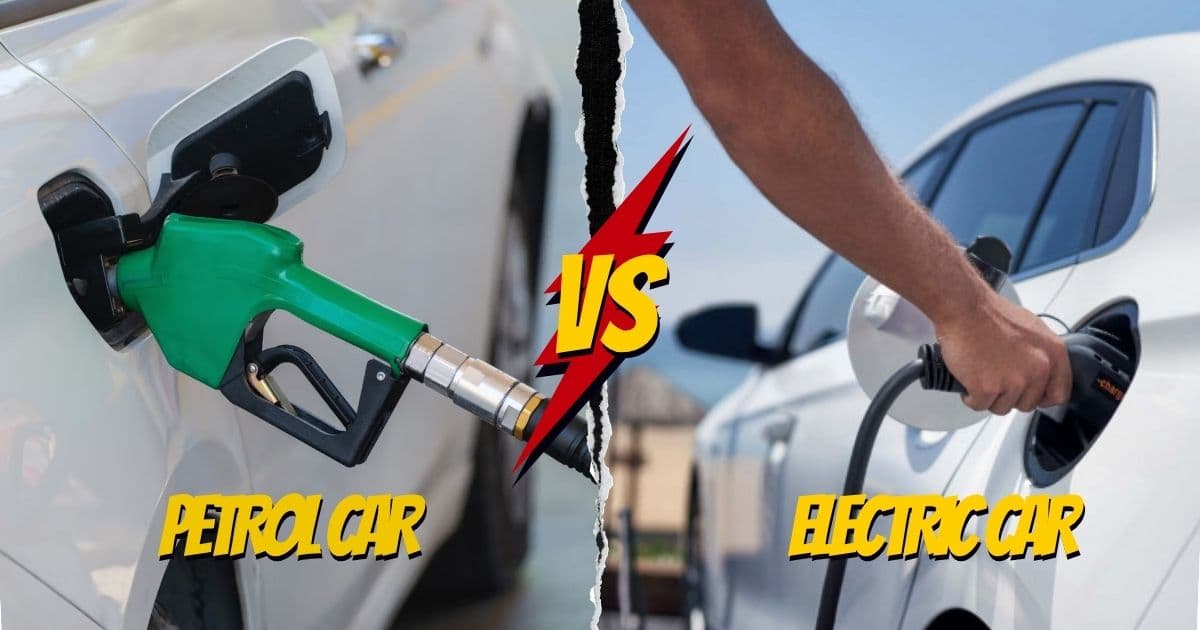
If you're shopping for a car in Nepal this year, the EV-versus-petrol question has gotten more complicated, not less. Electric vehicles have gone from a niche curiosity to roughly seven in ten new car sales in the country, but a major tax overhaul introduced this year has changed the math for some buyers. Here's a clear, practical comparison to help you decide.
Nepal's EV Boom, By the Numbers
Nepal has become one of the most EV-friendly markets in the world, largely by accident of geography and policy. The country now ranks second globally in EV market share for new car sales, at roughly 70–73 percent, trailing only Norway. That's an extraordinary number for a country of Nepal's size, driven by abundant domestic hydropower, high fuel-import costs, and years of favorable EV tax treatment.
Chinese brands dominate the market, led by BYD, Deepal, Seres, MG, and Henrey Mincar, with smaller contributions from Indian brand Tata and Thai imports. Charging infrastructure has kept pace: roughly 490 charging stations were operating nationwide as of early 2026, concentrated along major corridors like Kathmandu–Pokhara and the East–West Highway.
The Tax Picture Just Got More Complicated
For years, the calculus was simple: EVs carried dramatically lower import taxes than petrol cars, making them cheaper to bring into the country despite higher sticker prices abroad. That's still broadly true, but the details shifted significantly with the FY 2026–27 budget.
What changed: The government replaced the old motor-power-based tax system (which taxed EVs based on kW rating) with a value-based system. Electric passenger cars now face a uniform 20 percent customs duty based on the vehicle's CIF (cost, insurance, and freight) value, and the previous excise duty has been replaced with a new "Clean Infrastructure Investment Fee" (CIIF).
Why it matters: The CIIF is steeply tiered by vehicle value, and it can add up fast on pricier models. Vehicles valued up to Rs 2 million face a CIIF of just 2.5 percent, but the rate jumps to 20 percent for vehicles between Rs 2–3 million, 35 percent for Rs 3–4 million, 90 percent for Rs 4–5 million, and a steep 130 percent for anything above Rs 5 million, on top of the flat 20 percent customs duty, a 5 percent road construction fee, and 13 percent VAT.
The impact is already visible in showrooms. Dealers estimate the new structure could raise EV prices anywhere from Rs 200,000 to over Rs 10 million, depending on the model, and BYD's Nepal distributor has said the starting price of the BYD Atto 1 could rise to around Rs 3.1 million, with pricier variants seeing increases of roughly Rs 3.6 million. Former energy minister Kulman Ghising has publicly criticized the change, arguing the tax burden on EVs priced above Rs 5 million now sits close to what petrol and diesel vehicles pay.
The upshot: Budget and mid-range EVs (roughly up to Rs 3–4 million) remain heavily tax-advantaged over petrol equivalents. Premium and luxury EVs have lost much of that advantage and, in some cases, may now cost close to a comparable petrol vehicle before you even factor in running costs.
Running Costs: Where EVs Still Win Clearly
Whatever happens with import taxes, day-to-day running costs still favor EVs by a wide margin.
Fuel vs. electricity: Petrol in Kathmandu currently costs around Rs 197 per liter, and prices are reset roughly every two weeks based on international crude and exchange rates, meaning they can just as easily rise again. Nepal's hydropower-heavy grid, by contrast, offers electricity at a fraction of the per-kilometer cost of petrol, and that price is far more stable.
Maintenance: EVs have no engine oil, timing belts, spark plugs, or exhaust systems to service, which typically means significantly lower long-term maintenance bills than a comparable petrol car.
Charging infrastructure investment: The government continues to subsidize this gap on the supply side. Equipment needed to set up EV charging stations and assembly industries faces only a 1 percent customs duty with all other taxes exempted, and businesses that produce or assemble charging infrastructure get a five-year income tax exemption.
Practical Considerations Beyond Price
Terrain and range: Nepal's hills and mountain roads are genuinely demanding on EV range and battery life, especially in colder, high-altitude areas. If you regularly drive long distances outside the Kathmandu–Pokhara corridor, check real-world range and charging availability on your specific routes before committing.
Retrofitting is now an option: For owners of existing petrol or diesel vehicles who aren't ready to buy new, the Cabinet approved legal provisions in April 2026 allowing conversion of existing petrol and diesel vehicles to electric powertrains, though detailed regulations are still being finalized.
Financing: EV buyers should also check current bank loan terms before assuming financing will be as easy as it once was. Nepal Rastra Bank has tightened lending rules for EVs in the recent past, so loan-to-value ratios and interest rates are worth confirming directly with your bank rather than assuming older terms still apply.
Resale and battery life: EVs are still a relatively new category in Nepal's used-car market, so resale values and long-term battery degradation data are less established than for petrol cars. This is a bigger unknown for premium EVs, where the upfront cost is now higher than it used to be.
So, Which Should You Buy?
Buying a budget-to-mid-range car (under roughly Rs 3–4 million) and driving mostly within Kathmandu, Pokhara, or another urban/corridor area: An EV is very likely still the smarter financial choice, given the tax gap that remains at this price point plus dramatically lower running costs.
Buying a premium or luxury vehicle (above Rs 4–5 million): Do the math carefully. The new CIIF structure has narrowed or, in some cases, erased the price advantage EVs used to have in this segment. A petrol equivalent may now be closer in upfront cost, so your decision should weigh running costs and range needs more heavily than sticker price alone.
Driving frequently through hilly, remote, or high-altitude terrain with limited charging access: A petrol vehicle may still make more practical sense until charging infrastructure expands further into those regions, even though EVs are winning on cost almost everywhere else.
Nepal's tax policy on vehicles has changed multiple times in the past year alone, so if you're planning a purchase, it's worth checking the latest duty structure and any showroom pricing directly before you commit; these numbers can shift again with the next budget cycle.